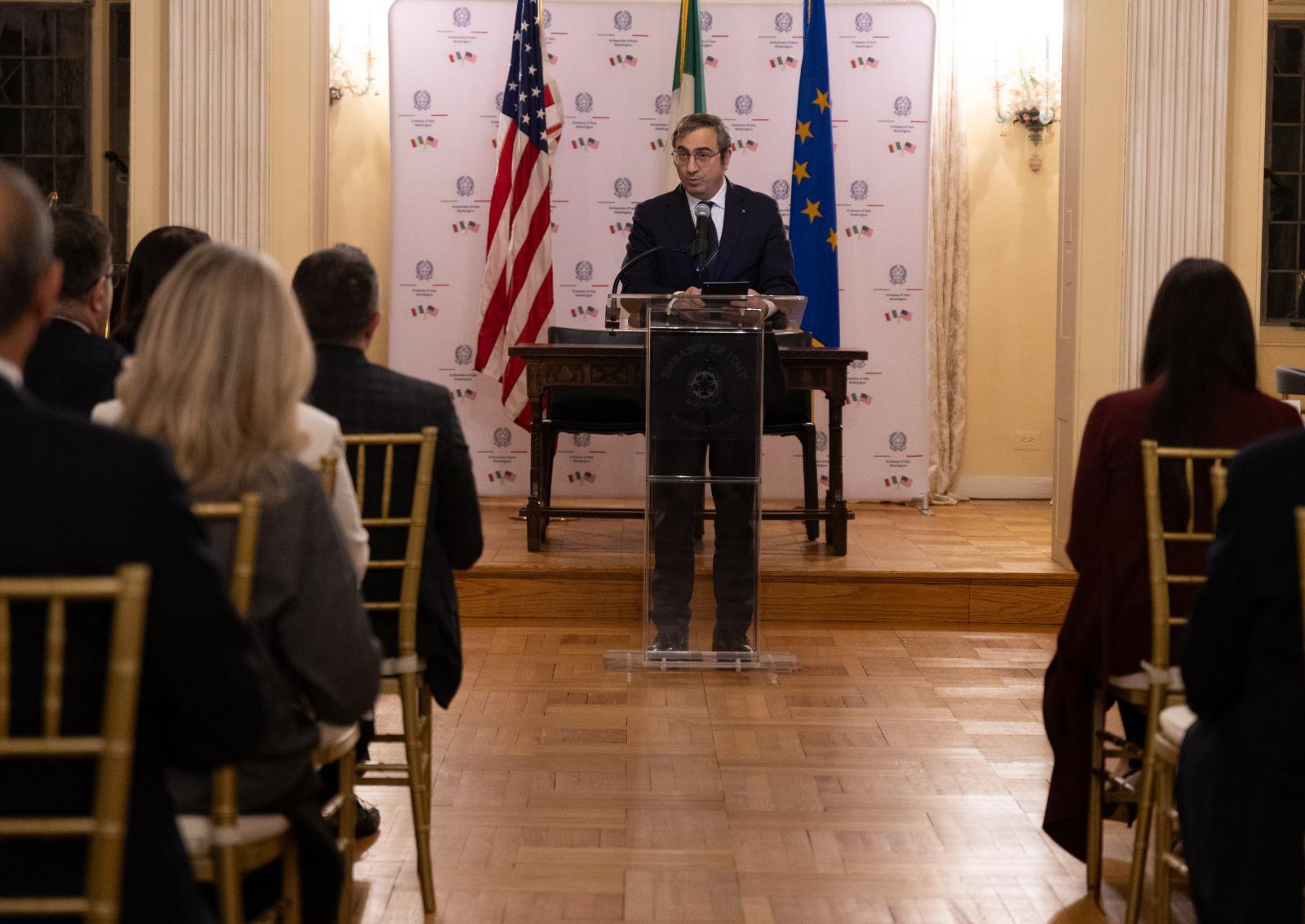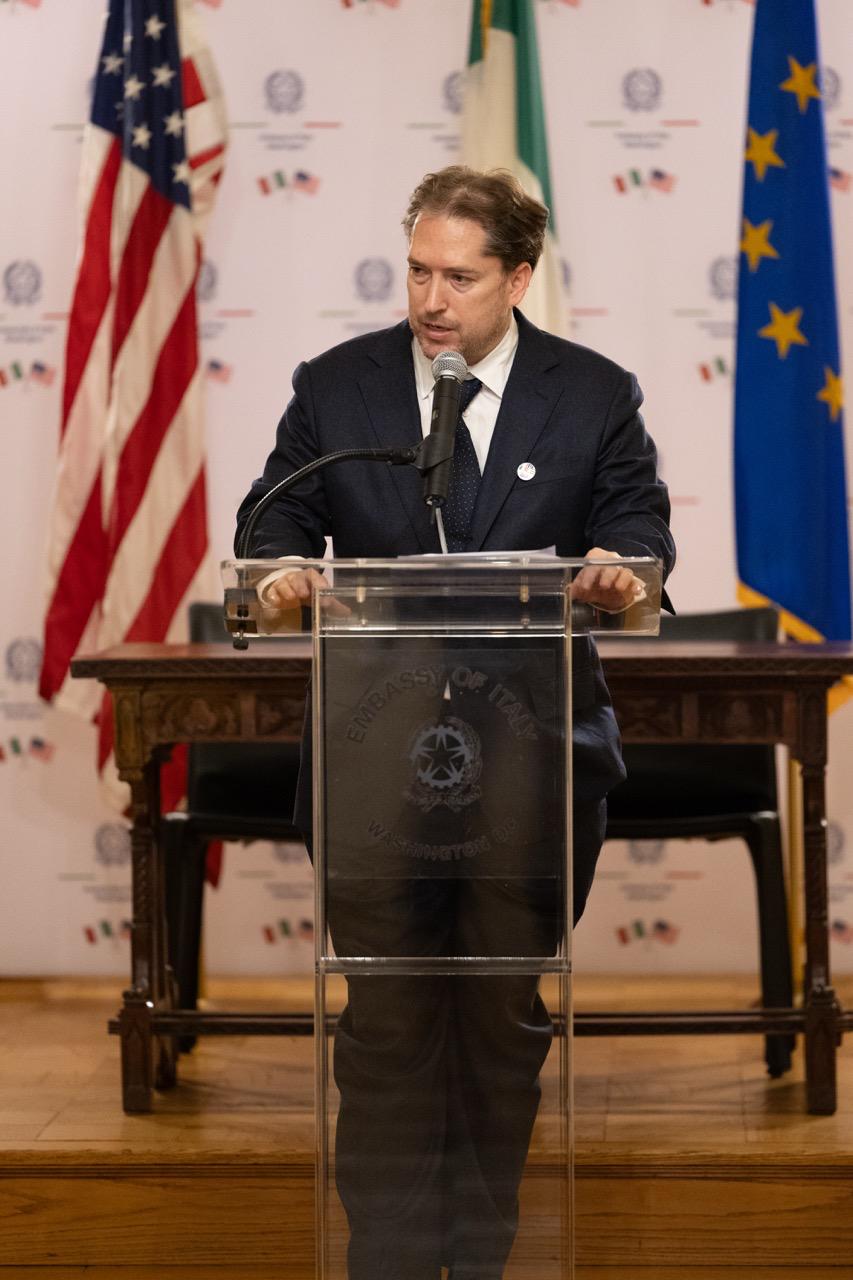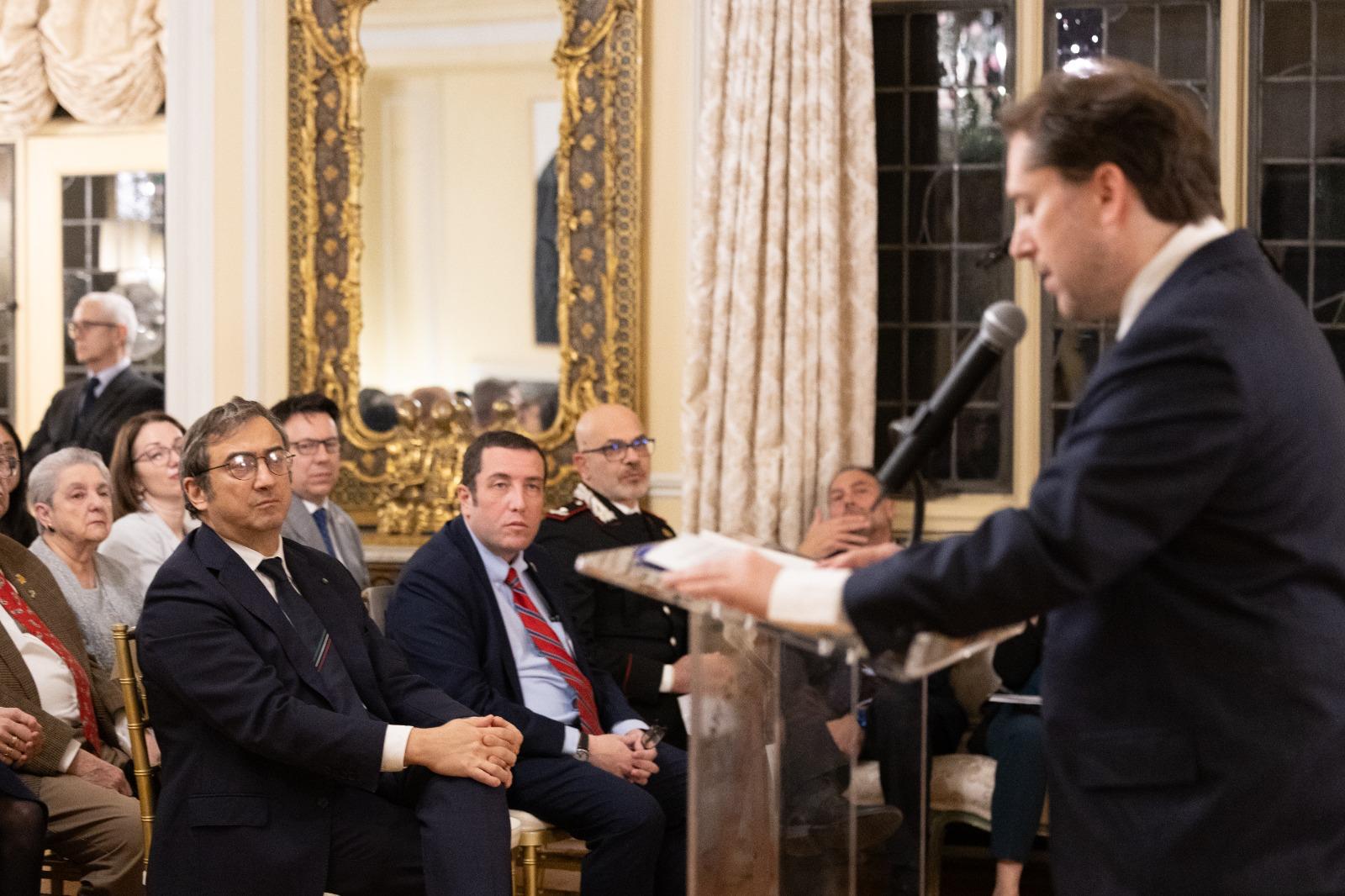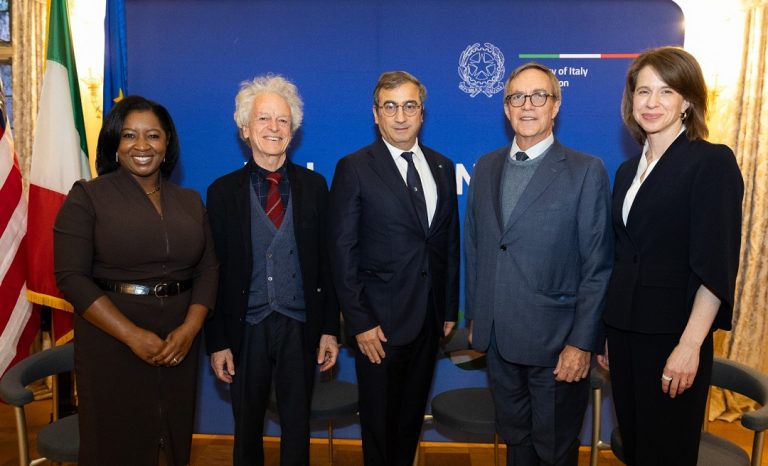
Washington, D.C., January 21, 2026 — The Ambassador of Italy to the United States, H.E. Marco Peronaci, hosted yesterday at Villa Firenze “Custodians of Culture,” a special event celebrating the 25th anniversary of the Cultural Property Agreement between Italy and the United States, marked by a repatriation ceremony and a high-level discussion on the protection of cultural heritage.
The anniversary celebration followed the signing, in Rome, on December 5, 2025, of a new Memorandum of Understanding on restrictions on the importation of cultural property from Italy to the United States, signed by Italian Minister of Culture Alessandro Giuli and U.S. Under Secretary of State for Public Diplomacy Sarah B. Rogers. First concluded in 2000, the agreement has become a cornerstone of international efforts to combat the illicit trafficking of cultural property.
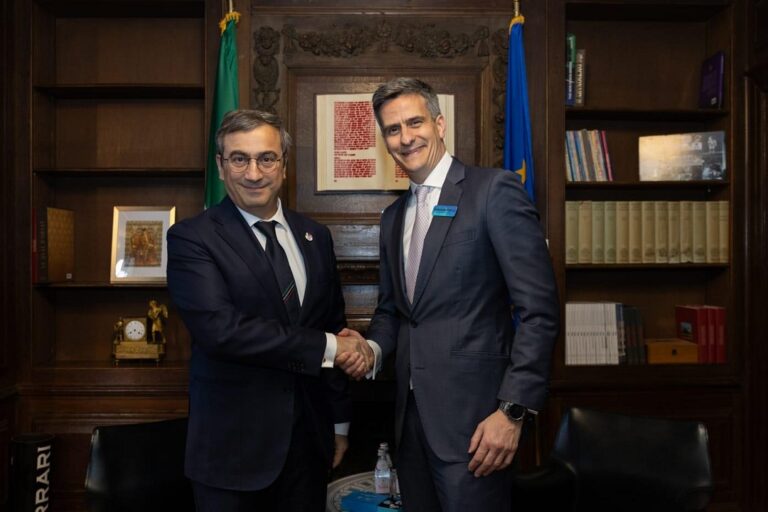
Opening the evening, Ambassador Peronaci underscored the broader significance of the agreement. “This year marks the 25th anniversary of the original Cultural Property Agreement between Italy and the U.S., first signed in 2000. Over the past quarter century, this framework has proven its effectiveness and has become a model. This agreement is not only about regulation—it is about values. It affirms that cultural heritage is not a commodity, but a shared legacy that must be protected from looting, trafficking, and exploitation.” Ambassador Peronaci highlighted that, through our sustained bilateral cooperation more than 5,000 artifacts have been recovered and returned to Italy.
Senior Bureau Official for Educational and Cultural Affairs at the U.S. Department of State Darren Beattie emphasized: “Protecting cultural heritage is about more than preserving objects. It’s about safeguarding identity, memory, expression, and the foundations of civilization for future generations. For over a quarter-century, our team at the Bureau of Educational and Cultural Affairs has worked with law enforcement and Italian counterparts to ensure these irreplaceable treasures continue to inspire the world for years to come.”
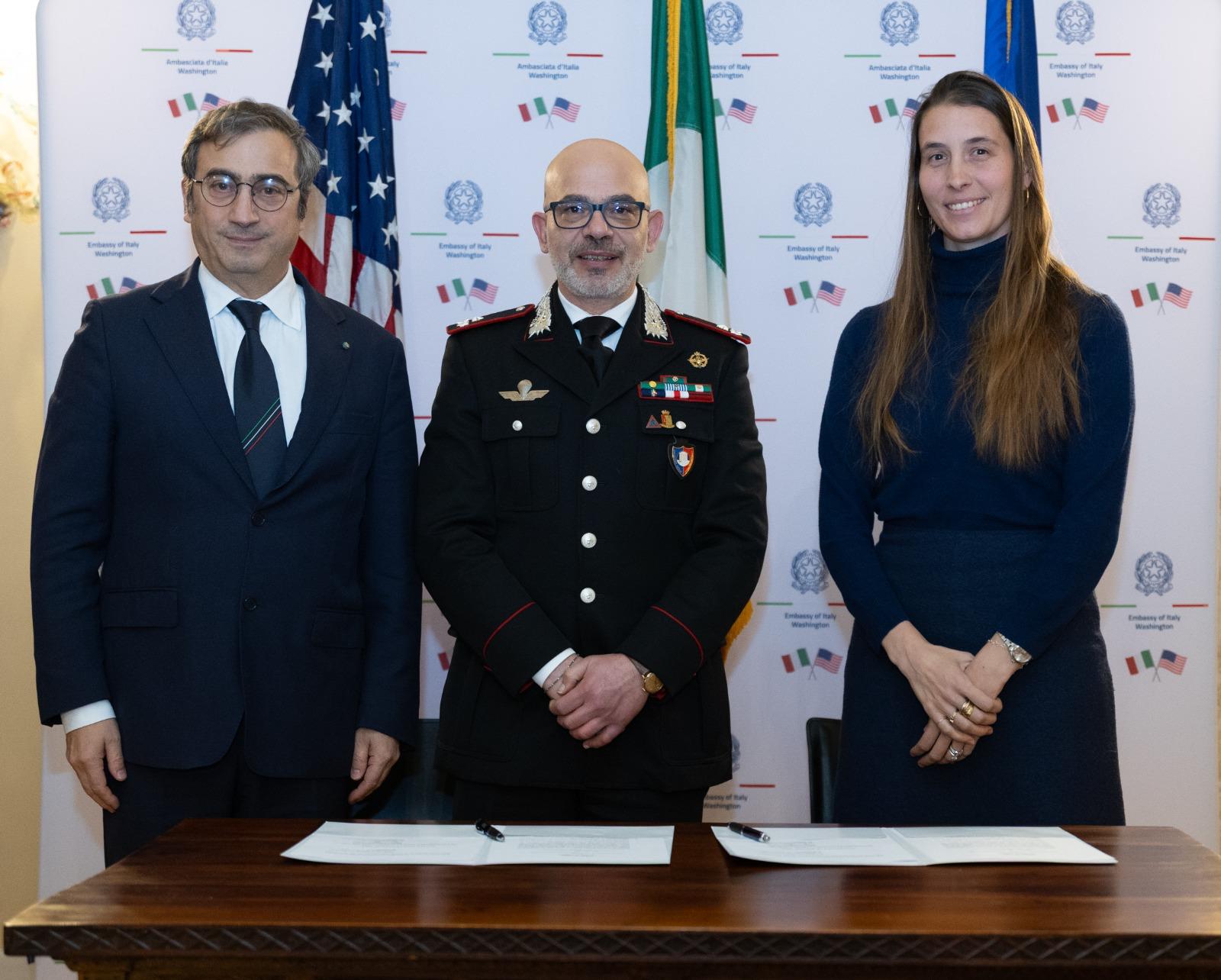
Charles Wall, Deputy Director of Immigration and Customs Enforcement, and Scott Schelble, Deputy Assistant Director for International Operations Division at the FBI stressed the importance of the bilateral cooperation with Italy on this matter. Brig. Gen. Antonio Petti, Commander of the Carabinieri Unit for the Protection of Cultural Heritage highlighted Italy’s specialized law enforcement expertise.
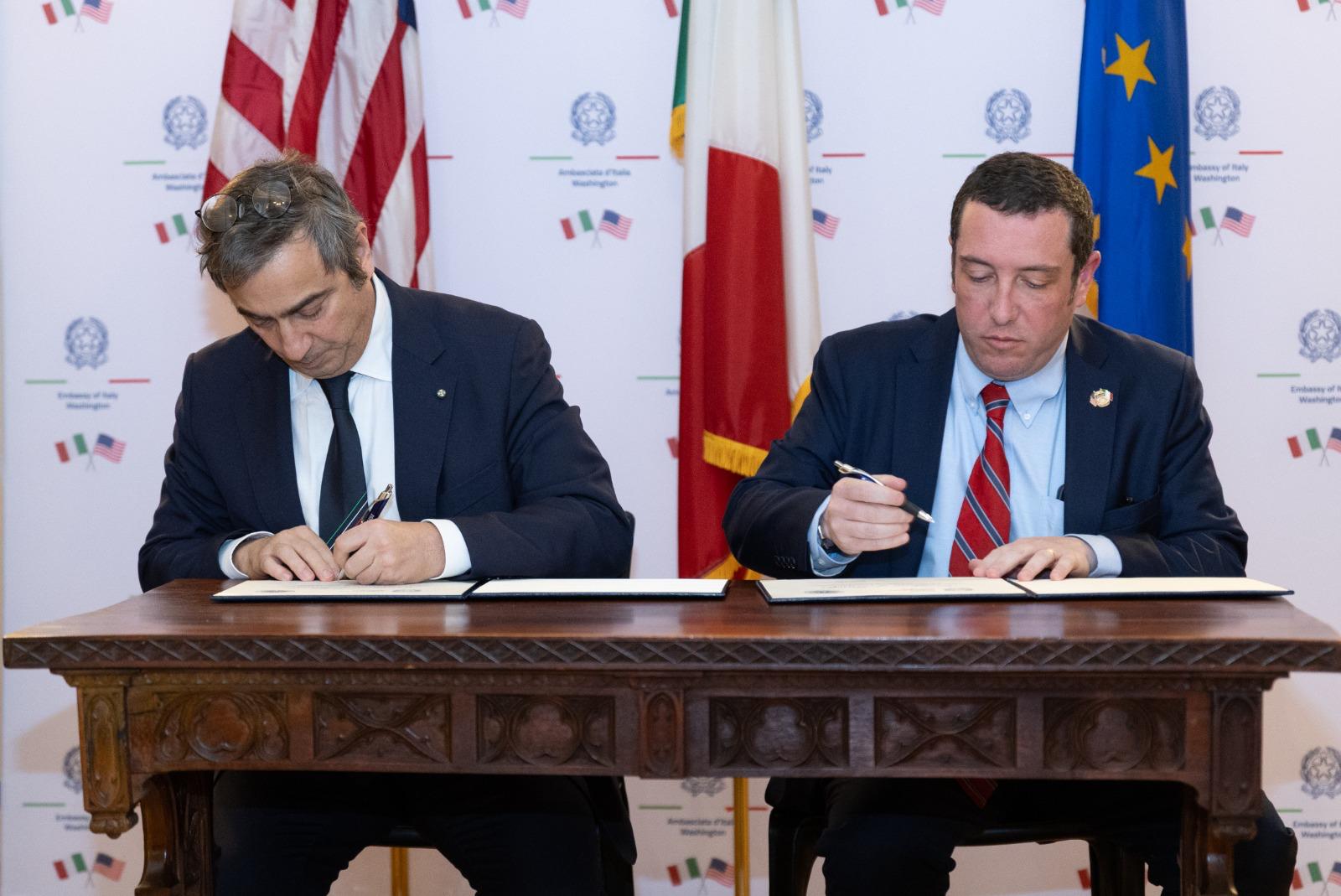
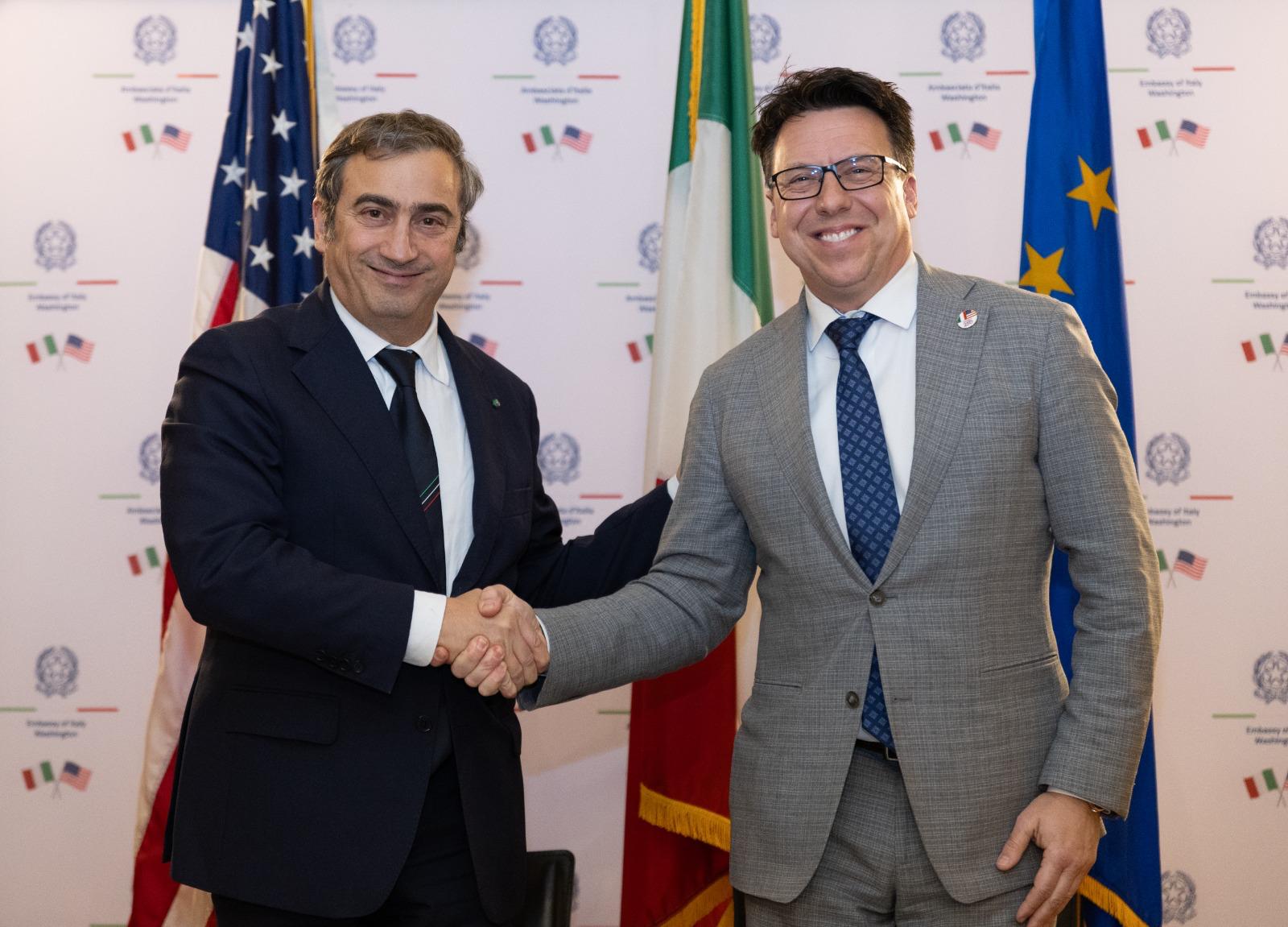
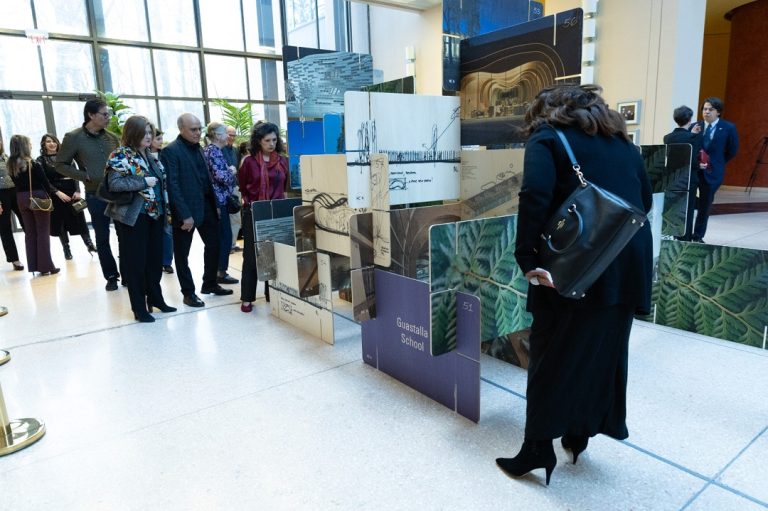
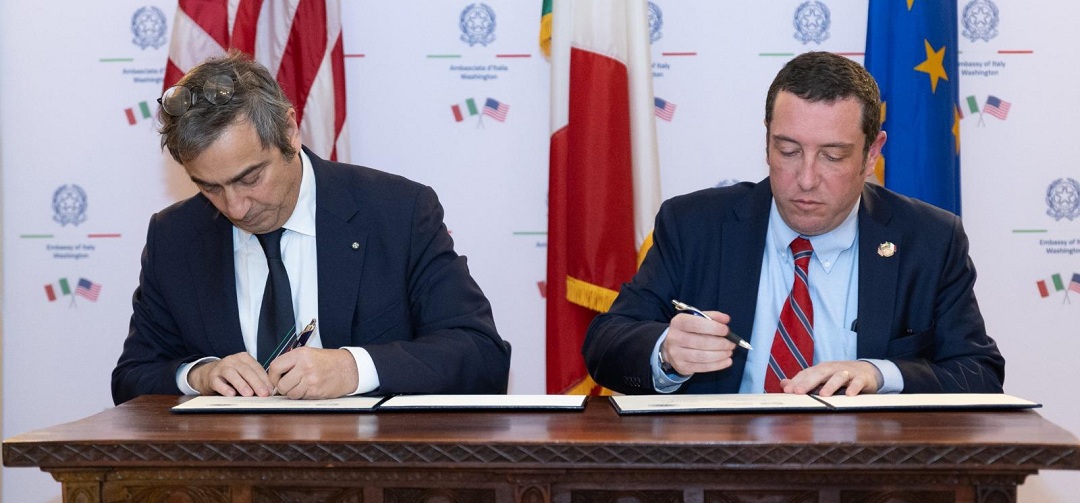
The evening was marked by a signing ceremony of restitution certificates of confiscated artworks. The small – but rather significant – exhibition of confiscated artworks on display at Villa Firenze last night was tangible evidence of what sustained international collaboration can achieve.
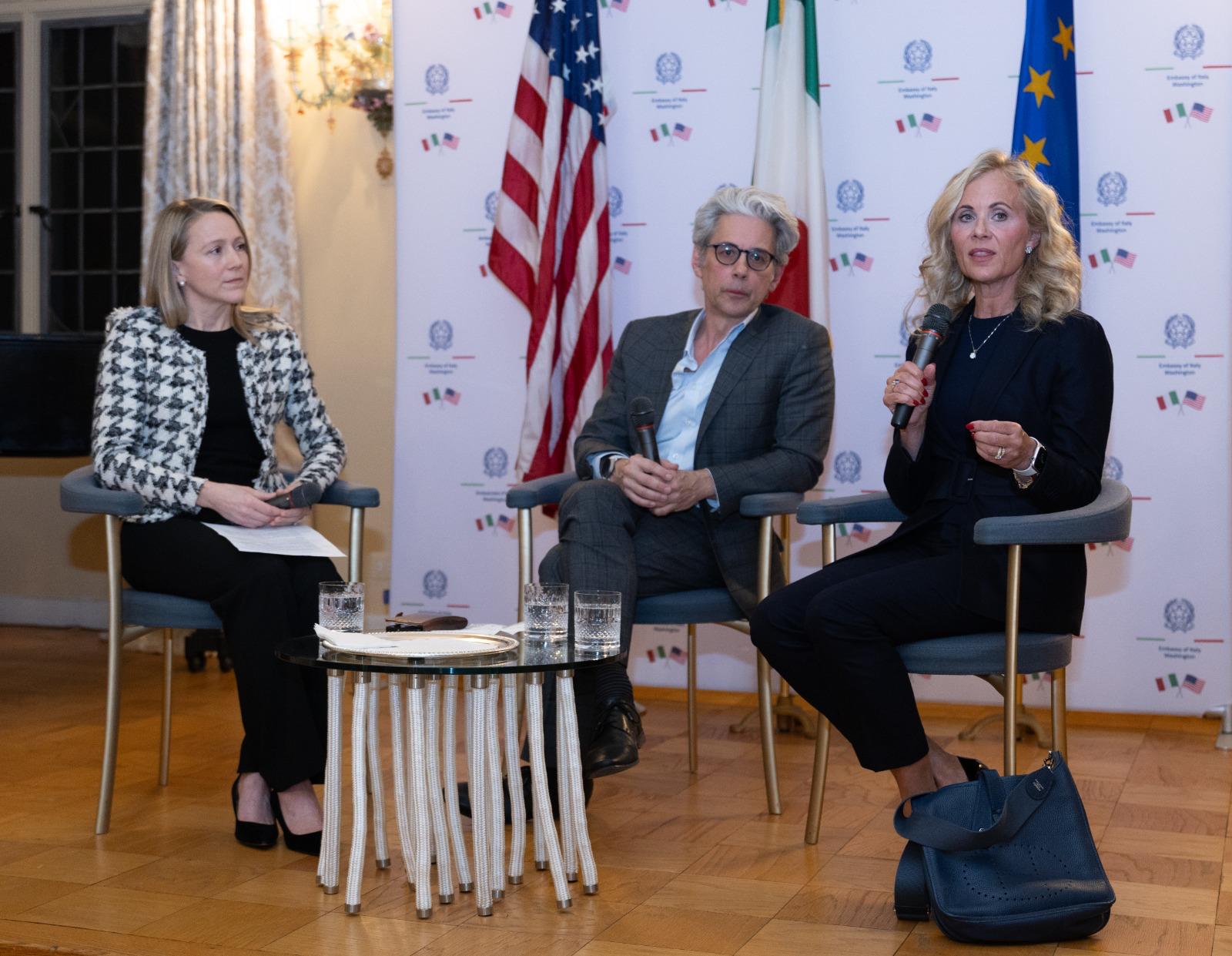
Following the ceremony, a conversation brought together Deborah Lehr, Founder of the Antiquities Coalition and Interim CEO of Meridian International Center; Chase F. Robinson, Director of the Smithsonian’s National Museum of Asian Art; and Channah Norman, art and museum lawyer, who guided the discussion. The panel addressed transnational strategies to protect cultural heritage, investigative and legal approaches to cultural property cases, museum provenance research, and the growing role of technology in promoting transparency and accountability.
The evening concluded with a visit to the exhibition of confiscated artworks, celebrating a quarter century of cooperation and reaffirming the shared Italian-American commitment to safeguarding cultural heritage as a common good.
The event also inaugurated Villa Firenze Talks, a new series hosted at the Italian Ambassador’s Residence designed to bring together policymakers, experts, academics, and industry leaders from around the world to strengthen transatlantic dialogue and cooperation on global challenges, from geopolitics and security to innovation, emerging technologies, and cultural he